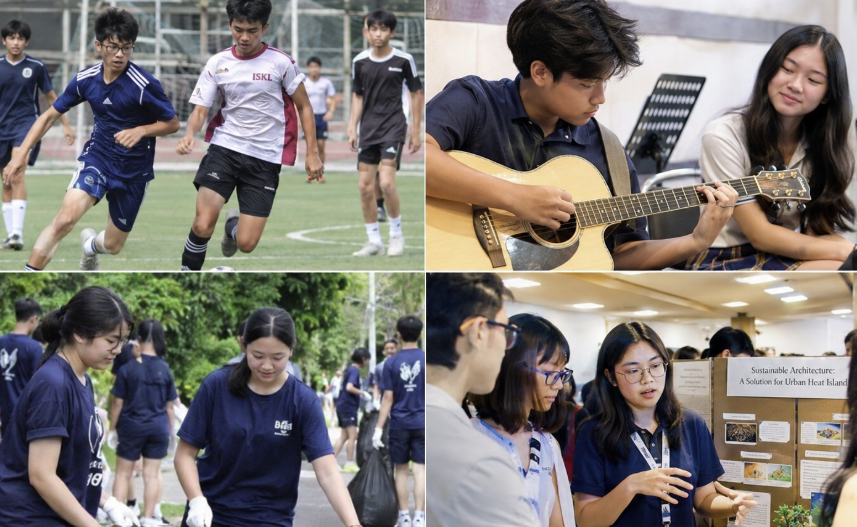
Adolescence is an important period when young people develop their identities, abilities, and relationships with others. Although classroom education plays a central role in this process, learning also takes place through experiences outside school. Sports teams, student clubs, artistic activities, and community service provide opportunities for adolescents to discover their interests and interact with people beyond their usual social circles. Research suggests that participation in extracurricular activities can benefit academic achievement, emotional well-being, and social development, although these benefits are not experienced equally by all students.
One area where extracurricular activities may contribute to adolescent development is academic performance. Im et al. (2016) found that participation in sports, arts, and clubs was associated with stronger academic motivation and achievement. Similarly, Coulangeon (2018) identified positive relationships between extracurricular participation and students’ performance in French and mathematics. These activities may encourage students to develop discipline, manage their time, and become more engaged with school. However, other studies have reported more limited effects. Carbonaro and Maloney (2019) and O’Flaherty et al. (2022) found only modest academic benefits when accounting for differences between participating and nonparticipating students. This suggests that extracurricular involvement does not automatically lead to better grades.
Extracurricular activities may also support adolescents’ mental and emotional well-being. Oberle et al. (2020) reported associations between participation and greater optimism, life satisfaction, and lower levels of anxiety and depressive symptoms. Organized activities allow students to build friendships, experience a sense of belonging, and develop confidence in their abilities. Heaslip et al. (2021) also found that participation during early adolescence predicted stronger confidence in handling difficult situations. Nevertheless, Boelens et al. (2022) reported only minor positive effects of organized sports on mental health, while findings for other activities were inconsistent. These differences suggest that the nature of participation matters.
Beyond academic and emotional outcomes, extracurricular activities provide opportunities to develop social and behavioral skills. Wang et al. (2024) found that adolescents participating in sports and artistic activities demonstrated stronger collaboration, engagement, and task-performance skills. Working with teammates, organizing group projects, and participating in shared activities require communication, cooperation, and responsibility. Park et al. (2017) also identified a relationship between sports participation and changes in aggressive behavior among South Korean adolescents.
Despite these potential benefits, participation should not be treated as equally effective for every student. Age, activity type, participation intensity, and individual circumstances may influence developmental outcomes. Some adolescents may benefit from sports, while others find greater satisfaction through creative or community-based activities.
Overall, extracurricular activities can contribute meaningfully to adolescent development by extending learning beyond academic subjects. They offer opportunities to strengthen relationships, develop practical skills, and explore personal interests. However, schools and parents should focus on providing diverse, accessible activities rather than assuming that greater participation always produces better results. Future research should examine which activities benefit particular groups of adolescents and under what conditions those benefits are most likely to occur.
J. Shim